Best Golf Impact Screens (2026)
The best golf simulator impact screens for 2026, from premium Carl's Place DIY panels to complete GoSports enclosures, with sizing, brightness, durability, and noise guidance.
The best golf impact screen depends on how you are building. For a serious DIY enclosure, a premium panel like the Carl's Place Preferred screen delivers the brightest image and the toughest hitting surface. If you would rather hang a finished setup, a preassembled package like the GoSports 10 by 8 foot enclosure pairs a screen with a frame in one box. Below are six real picks across DIY fabric and complete kits, plus how to weigh image brightness, durability, noise, and sizing to your room.
Best Golf Impact Screens for 2026
Carl's Place Carl's Place Preferred Impact Screen
A premium DIY impact screen sold by the panel in many sizes, prized for a bright, sharp projected image and the durability to take repeated driver strikes in a serious build.

Shop Indoor Golf SIG Shop Indoor Golf Impact Screen Kit
Part of the popular SIG enclosure ecosystem, this complete screen-and-frame kit is built for buyers who want a turnkey, well-supported system rather than sourcing parts piece by piece.

GoSports GoSports 10x8 ft Enclosure with HD Impact Screen
A complete preassembled set pairing a 10 by 8 foot HD impact screen with a steel frame, a fast way to get a sized, ready-to-hang enclosure without a custom build.

ANYTHING SPORTS ANYTHING SPORTS Complete Enclosure Package
A 4K-ready impact screen bundled with a blackout cage and frame, a value-focused preassembled package for builders who want screen and enclosure in one purchase.
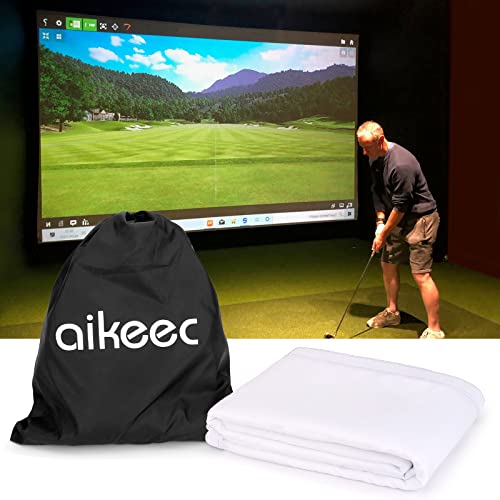
aikeec Aikeec 7mm Thickened Impact Screen with Grommets
A thickened 7mm ultra-clear hitting screen with 32 reinforced grommets, a budget DIY panel for builders framing their own enclosure and bungee-tensioning the screen.

Durbles Durbles Triple Layer Impact Screen
A premium triple-layer screen designed to quiet ball impact and resist wear, a step-up DIY material for builders who want lower noise and longer life than a single-layer panel.
An impact screen has two jobs that pull against each other: it must show a bright, sharp projected course image, and it must safely stop a golf ball traveling at over 100 miles per hour, over and over, for years. The material, the number of layers, and how you tension it all shape how well it does both. Premium woven screens balance brightness and durability best, while budget single-layer panels save money at the cost of some image quality and a louder, shorter-lived hitting surface. The right pick comes down to your build path and your room.
Quick comparison
| Screen | Type | Best for | Price |
|---|---|---|---|
| Carl's Place Preferred | DIY panel | Brightest image, premium build | Varies by size |
| SIG Shop Indoor Golf Kit | Complete system | Turnkey, well-supported | Varies by size |
| GoSports 10x8 Enclosure | Preassembled set | Screen plus frame in one box | $999.99 |
| ANYTHING SPORTS Package | Preassembled set | Value complete enclosure | $699.99 |
| Aikeec 7mm Grommeted | DIY panel | Budget DIY, bungee-tensioned | $104.99 |
| Durbles Triple Layer | DIY panel | Lower noise, longer life | $159.99 |
Amazon pricing moves around, and the Carl's Place and SIG options are priced per size through their own ecosystems, so treat these as a snapshot. Confirm your usable room dimensions first with the golf sim room size calculator so you order a screen that tensions properly in your space.
Image brightness: the screen and projector work together
A common surprise for first-time builders is how much the screen affects brightness. Impact screen fabric absorbs and diffuses some of the projector's light, so an image that looks vivid on a white wall can look noticeably duller on a tensioned screen. Premium woven panels like the Carl's Place Preferred are engineered to reflect a brighter, more even image with minimal hot-spotting, while budget single-layer screens trade some brightness for a lower price. Whatever screen you choose, pair it with a bright short-throw projector of at least 3,000 to 4,000 lumens, as covered in our best golf simulator projectors guide, so the picture stays punchy.
Durability and noise: layers matter
The single biggest driver of both durability and noise is how the screen is built. Multi-layer screens, such as triple-layer panels, sandwich material to absorb the energy of impact, which makes ball strikes quieter and spreads wear so the screen lasts longer under heavy driver use. Single-layer screens are brighter and cheaper but produce a sharper slap on contact and tend to wear faster, especially if you tension them too tightly. If your sim shares a wall with a bedroom or sits in a finished basement, a quieter multi-layer screen like the Durbles triple-layer panel is worth the step up. Leaving a small gap between the screen and the back wall and avoiding a drum-tight tension both reduce noise further.
Carl's Place Preferred (Best Premium DIY)
Carl's Place is the name most serious DIY builders reach for, and the Preferred impact screen is its workhorse panel. Sold by size so you can match it to a custom frame, it is woven for a bright, sharp image with even light spread and built to absorb repeated driver strikes for years. It is a screen-only purchase, so you supply or build the enclosure frame, which is exactly what experienced builders want: full control over sizing and a material they can trust. If you are investing in a long-term sim and framing your own enclosure, this is the premium benchmark.
SIG Shop Indoor Golf Kit (Best Complete System)
Shop Indoor Golf's SIG line is a popular, well-supported enclosure ecosystem that bundles the screen with a frame and side netting into a coherent system. The appeal is turnkey simplicity: instead of sourcing fabric, framing hardware, and netting separately, you buy a sized kit designed to fit together. It costs more than a bare panel, but for buyers who want a proven, fully supported setup without engineering their own frame, it removes most of the guesswork from a build.
GoSports 10x8 ft Enclosure (Best Preassembled)
This GoSports set is the fast track to a finished enclosure. It pairs a 10 by 8 foot HD impact screen with a steel frame and complete set so you can assemble and hang it without custom fabrication. The fixed 10 by 8 foot size suits a lot of home rooms, and getting the screen and frame together means the panel is already sized to tension correctly. For builders who value getting up and running quickly over choosing every component, it is the easiest path to a playable screen.
ANYTHING SPORTS Package (Best Value Complete)
The ANYTHING SPORTS package undercuts most complete kits while still bundling a 4K-ready impact screen with a blackout cage and frame. The blackout cage helps contain stray light and balls, and bundling everything keeps the cost down versus buying parts individually. It is the value pick for someone who wants a complete enclosure rather than a bare panel but does not need the premium materials of a Carl's Place or SIG build. Check the listed dimensions against your room before ordering.
Aikeec 7mm Grommeted (Best Budget DIY)
The Aikeec panel is the affordable entry point for DIY builders. It is a thickened 7mm ultra-clear hitting screen with 32 reinforced grommets around the edge, so you can bungee-tension it to a frame you build or already own. The grommets make tensioning straightforward, and the thicker material handles repeated strikes better than the thinnest budget screens. You give up the refined brightness and longevity reputation of premium panels, but for a first build or a tight budget, it is a lot of usable screen for the money.
Durbles Triple Layer (Best Noise Control)
The Durbles screen targets the two things budget panels do worst: noise and longevity. Its triple-layer construction muffles the slap of ball impact and spreads wear across multiple layers, so it is quieter and tends to last longer than a single-layer screen at a similar size. For a home sim in a finished basement or near living space, the lower impact noise is a real quality-of-life upgrade. It costs more than a bare single-layer panel but far less than a premium ecosystem screen, making it a smart middle-ground DIY material.
How we chose
We did not hit balls into these screens in person. Instead, we compared published manufacturer specifications, material thickness and layer count, listed dimensions, grommet and tensioning hardware, and stated durability, then weighed them against patterns in verified owner reviews on Amazon and the established reputations of the Carl's Place and Shop Indoor Golf ecosystems. We balanced four factors that matter most in a real build: projected image brightness, durability under repeated driver strikes, impact noise, and how easily the screen sizes and tensions to a typical home room.
We deliberately mixed DIY panels with complete preassembled kits because builders fall into two camps: those framing a custom enclosure who want to choose their exact fabric, and those who want screen and frame in one purchase. Dimension, thickness, and durability claims here come from manufacturer listings, so treat them as estimates and confirm the current spec on the product page. Premium ecosystem screens like Carl's Place and SIG are priced per size through their own channels rather than as fixed Amazon listings.
Buying tips
Size to your room before anything else. Measure your usable width and depth, then run the numbers through the golf sim room size calculator to confirm how wide a screen your space can actually tension with clearance on both sides. Order a panel that fits with margin, not one crammed edge to edge, since a screen that cannot tension properly will ripple and distort the image. Then decide your build path: a bare DIY panel for control and lowest cost, or a complete kit for speed and simplicity.
After sizing, weigh brightness, durability, and noise against your room and your budget. Heavy driver users and noise-sensitive spaces should lean toward thicker, multi-layer screens, while blacked-out dedicated rooms can run a brighter single-layer panel. Whatever you choose, pair it with a bright short-throw projector from our best golf simulator projectors guide and the right frame from our best golf simulator enclosures roundup so the screen, projector, and enclosure all work together.
Golf Sim Build Planner
Room-fit worksheet, gear checklist, budget tracker, and wiring and lighting plan, in one printable planner that takes your build from idea to first swing.
We also have a full SIGPRO Premium impact screen review.
Frequently Asked Questions
What is the best golf simulator impact screen?
It depends on your build path. For a serious DIY enclosure, a premium panel like the Carl's Place Preferred screen gives the brightest, sharpest projected image and the durability to take driver strikes for years. If you want a turnkey solution, a preassembled set like the GoSports 10 by 8 foot enclosure pairs the screen with a frame so you can hang it the same day. Match the choice to whether you are framing your own enclosure or want screen and frame in one box.
How thick should a golf impact screen be?
Most quality DIY impact screens run from about 3mm to 7mm of layered material, and multi-layer screens add a quieter, more durable hitting surface. A thicker or multi-layer screen absorbs more energy, so ball impact is softer and quieter and the panel lasts longer under repeated driver strikes. Thinner single-layer screens cost less and can show a slightly brighter image, but they tend to be louder and wear faster. For frequent driver use, lean toward a thicker or triple-layer screen.
How do I size an impact screen to my room?
Measure your room width first, then leave clearance on both sides of the screen for the frame, padding, and a safety margin around the playing area. A common home setup is a screen around 8 to 10 feet wide hung a couple of feet off the back wall, but your room width and swing space set the limit. Use our golf sim room size calculator to confirm your usable width and depth before ordering a screen, since an oversized panel will not tension properly in a tight room.
Are golf impact screens loud?
There is always some noise when a ball strikes a tensioned screen, but the material and construction make a big difference. Single-layer screens produce a sharper, louder slap, while multi-layer screens like triple-layer panels muffle the impact noticeably and are friendlier in a home with thin walls or shared spaces. Proper tensioning and a gap between the screen and the back wall also reduce noise. If quiet matters, prioritize a thicker, multi-layer screen and avoid pulling the panel drum-tight.
Do impact screens affect projector image brightness?
Yes. Impact screen fabric absorbs and diffuses some of the projector's light, so the same projector looks dimmer on a tensioned screen than on a white wall. Premium screens are woven to reflect a brighter, more even image, while budget panels can look a little duller. This is why we recommend pairing your screen with a bright projector of at least 3,000 to 4,000 lumens. See our best golf simulator projectors guide to match a bright short-throw unit to your screen.
Should I buy a screen-only panel or a complete enclosure?
Buy a screen-only panel if you are building or already have a frame and want to choose your exact material and size, which is the cheapest and most flexible path. Buy a complete preassembled enclosure if you want screen, frame, and side netting in one purchase and value speed and simplicity over customization. Complete kits like the GoSports or ANYTHING SPORTS packages cost more than bare fabric but save you sourcing and assembling a frame.
Building a golf sim?
Use our free calculators and guides to size the room, the gear, and the budget.
Build Planner: $39