Basement Golf Simulator: Height, Moisture & Light
Build a basement golf simulator the right way: clear ductwork and joists, control moisture, use the dark to your advantage, finish concrete, and keep noise down.
A basement is one of the best places to build a home golf simulator. It is already separate from the living space, it usually holds a steady temperature, and best of all it tends to have little or no natural light, which is exactly what a projector wants. The three things that decide a basement build are ceiling height, moisture, and how you handle the dark room and the noise. Get those right and you have a year-round space that looks better than most garage builds. Here is how to plan it.
Basement golf sim shopping list
Everything a below-grade build needs, including a dehumidifier to keep the room dry.
-
 Enclosure GoSports GoSports 10 x 8 ft Golf Simulator Enclosure Net
Steel-framed all-in-one bay with blackout panels and a commercial HD impact screen, a clean drop-in for a 10 ft basement bay.
-
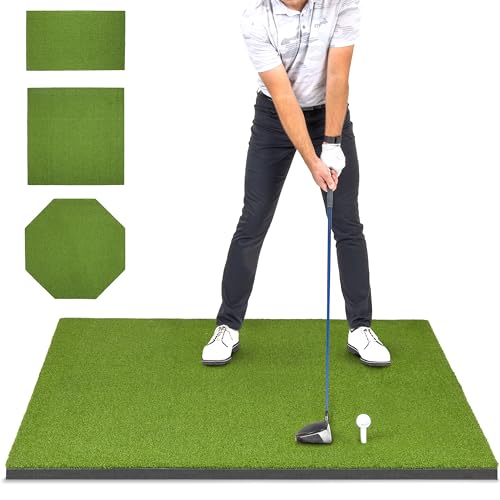 Hitting mat GoSports GoSports Elite 5'x4' Golf Hitting Mat
Full-stance turf pad on a firm rubber base with a foam underlay, set flush in the strike zone over a basement slab.
-
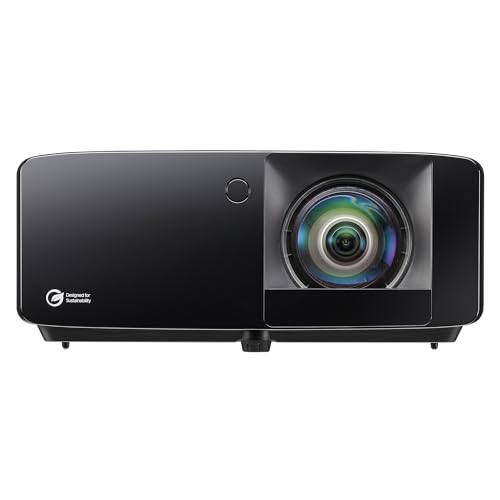 Short-throw projector Optoma Optoma GT2400HDR Short Throw Laser Projector
A 4,200-lumen 1080p laser with a roughly 0.5 throw ratio that looks brilliant in a dark, windowless basement and mounts close to the screen.
-
 Foam floor tiles BalanceFrom BalanceFrom Puzzle Exercise Mat 3/4-inch, 96 sq ft
Twenty-four interlocking 3/4 inch EVA foam tiles that cushion joints and deaden bounce noise so less sound travels up into the house.
-
 Dehumidifier Frigidaire Frigidaire 50 Pint Dehumidifier with WiFi
A 50 pint-per-day dehumidifier to hold a below-grade room around 45 to 50 percent humidity and protect electronics, screen, and turf.
Prices update on Amazon and change often. As an Amazon Associate we earn from qualifying purchases at no extra cost to you.
Ceiling height: joists, ducts, and beams
The number that matters in a basement is not the open ceiling height, it is the lowest obstruction in your swing zone. Basements are full of ductwork, support beams, and pipes that drop below the joists, and any one of them can clip the top of your backswing. Walk the space and find the lowest hanging item over where you plan to hit, then measure to the floor there.
As a guide, you want about 9 feet of clear height for a full driver swing, 10 feet to feel relaxed, and anything under roughly 8.5 feet pushes you toward an irons-only setup. Tape an alignment stick to your driver head and take full, committed swings under the lowest point to see exactly where your arc reaches. If a single duct run is the only thing in the way, rerouting it is sometimes cheaper than abandoning the build, so price that out before you give up on a full swing.
Plug your real measurements into our golf sim room size calculator to confirm whether your basement supports a full driver swing or favors irons, and to size the hitting zone and screen standoff.
Moisture and the dehumidifier
Basements are below grade, so they hold moisture, and damp air is the quiet enemy of a simulator. High humidity degrades electronics, encourages mildew on impact screens and turf, and can warp any wood framing in your enclosure. Before you install anything, get a sense of the room's humidity with a simple hygrometer.
A dedicated dehumidifier is cheap insurance. Keep the room around 45 to 50 percent relative humidity, and if you can, run the unit to a drain or condensate pump so it works unattended through humid months. If your basement has ever shown signs of water intrusion, fix that first with proper sealing or drainage, because no amount of gear protection survives a wet floor. A controlled, dry room also simply feels better to play in.
No natural light is a feature, not a flaw
In a garage you fight sunlight leaking around the door. In a basement you usually have none, and that is a real advantage. Projectors produce the brightest, highest-contrast image in a dark, controlled room, so a windowless basement lets the picture look its best at any time of day. You are not chasing blackout curtains or dimming the screen to compete with daylight.
What you do need is good artificial lighting that you can control. Use dimmable LED panels or shop lights placed to the sides and behind the hitting zone, never aimed at the screen, so you have safe, glare-free light for setup that you can lower while you play. If you run a camera-based launch monitor, even and consistent lighting improves its shot reads, so position the fixtures for uniform coverage rather than one hot spot. Match the projector to your throw distance and room using our best golf simulator projectors guide.
Flooring over concrete
Like a garage, a basement slab is hard, cold, and can pass moisture. Build the floor up in layers so it is comfortable, quiet, and protected.
| Layer | Purpose |
|---|---|
| Moisture barrier on the slab | Stops slab moisture wicking into turf and pad |
| Rubber or foam underlayment | Cushions joints and deadens bounce noise |
| Low-pile turf or foam tiles | Finished, even surface across the room |
| Hitting mat set flush | Level, durable strike zone |
The key detail is that the hitting mat sits flush with the surrounding floor so your stance stays level. Confirm the slab is reasonably flat and shim any low spots before laying turf. Choose the strike surface from our best golf hitting mats roundup, since that layer takes the most abuse and matters most for your joints.
Noise to the rest of the house
The downside of building below the living space is that impact noise travels up through the floor structure. The thump of the ball and the smack of the mat carry into the rooms above, which matters if anyone is sleeping or working upstairs. The fix is mass and decoupling.
Start simple: a thick hitting mat and surrounding turf with rubber underlayment absorb most of the strike energy at the source. Add acoustic panels on the walls to cut echo inside the room, which also makes the space sound better while you play. For more serious isolation, resilient channel or a second layer of drywall with a damping compound on the ceiling decouples the structure and blocks more sound. Even basic steps make a clear difference, so start with the floor and add only as much as the household needs.
Pulling it together
A basement build rewards careful planning. Clear the ceiling for a full swing, control moisture with a dehumidifier, use the dark room to get a brilliant projected image, finish the concrete in protective layers, and quiet the floor so the rest of the house stays peaceful. When you are ready to budget the whole project, the golf sim cost calculator turns your component list into a realistic total. Then pick the brains of the build by comparing the best launch monitors for the accuracy and ball-flight room your space allows.
Golf Sim Build Planner
Room-fit worksheet, gear checklist, budget tracker, and wiring and lighting plan, in one printable planner that takes your build from idea to first swing.
Frequently Asked Questions
Is my basement ceiling tall enough for a golf simulator?
Measure the lowest obstruction in your swing zone, not the open ceiling. Basements often hide ductwork, beams, and pipes that hang below the joists, and those set your real height. You want about 9 feet clear for a full driver swing and 10 feet to feel comfortable. Tape an alignment stick to your driver and take full swings under the lowest point. If you only have 8 to 8.5 feet, plan an irons-and-wedges setup instead.
Do I need a dehumidifier for a basement simulator?
In most basements, yes. Below-grade rooms hold moisture, and damp air is bad for electronics, hitting mats, impact screens, and any wood framing. A dedicated dehumidifier kept around 45 to 50 percent relative humidity protects your gear and keeps the space from feeling clammy. Pair it with a hygrometer so you can actually see the humidity level, and empty or plumb the drain so it runs unattended through humid months.
Is a basement better than a garage for a golf simulator?
For image quality, often yes. Basements usually have little or no natural light, which is ideal because ambient light is the enemy of a bright, high-contrast projector image. They also tend to hold a steadier temperature than a garage. The trade-offs are lower ceilings from ductwork, moisture, and noise carrying up into the house. If your ceiling height clears a full swing, a basement is a strong choice.
How do I install a simulator floor over a concrete basement slab?
Build it in layers. Put a moisture barrier or rubber underlayment over the concrete, then low-pile turf or interlocking foam tiles across the room, with a quality hitting mat set flush in the strike zone. The barrier guards against slab moisture wicking up, the underlayment cushions your joints and quiets bounced balls, and the flush mat keeps your stance level. Confirm the slab is reasonably flat before you start, and shim any low spots.
How do I keep a basement simulator from being loud upstairs?
Impact noise and the thump of the ball travel through the floor structure into the rooms above. Add mass and decoupling: thick mats and turf with rubber underlayment under the hitting area, and consider acoustic panels on the walls to tame echo. For serious isolation, resilient channel or a second layer of drywall with a damping compound on the ceiling helps. Even simple steps like a heavier mat and rugs make a noticeable difference.
Will a basement simulator work without any windows?
Yes, and that is actually a benefit for the projected image. A projector looks its best in a dark, controlled room, so the lack of windows means no sunlight washing out the screen during the day. The only thing you must add is good artificial lighting for safety and, if you use a camera-based launch monitor, even illumination for accurate shot reads. Use dimmable LEDs you can lower while you play.
Building a golf sim?
Use our free calculators and guides to size the room, the gear, and the budget.
Build Planner: $39