Golf Simulator Ceiling Height Chart
Golf simulator ceiling height chart showing what you can swing at 8, 8.5, 9, 9.5, 10, and 10.5+ feet, from irons-only to a comfortable full driver swing, with key notes.
Ceiling height is the single most important dimension in a golf simulator room, and it is the one that ends most basement and garage projects. The short version: about 9 feet is the practical minimum for a full driver swing, 10 feet is comfortable, and anything under 8.5 feet is irons-only territory for most golfers. The chart below maps common ceiling heights to what you can realistically swing, but remember that height, arm length, and swing plane vary, so your own full-speed swing is always the final test.
Gear for a low ceiling
Forgiving picks for tight headroom: a portable monitor, a pocket radar, and a low-profile mat.
-
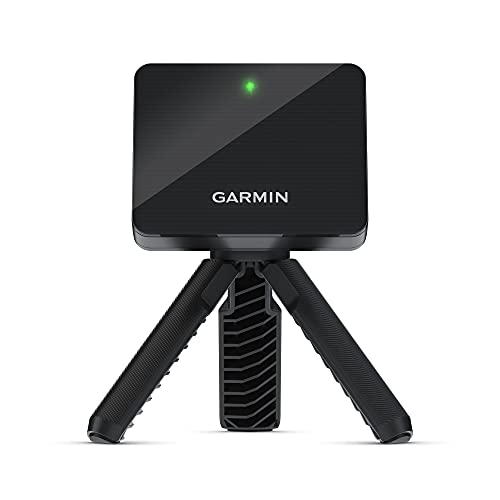 Launch monitor Garmin Approach R10 Portable Golf Launch Monitor
A portable radar that works on a controlled three-quarter or iron swing, a forgiving sensor when a low ceiling rules out a full driver.
-
 Pocket monitor PRGR HS 130-A Portable Golf Launch Monitor
A pocket radar that reads speed, smash factor, and carry with no app, perfect for short-club and wedge practice under a tight ceiling.
-
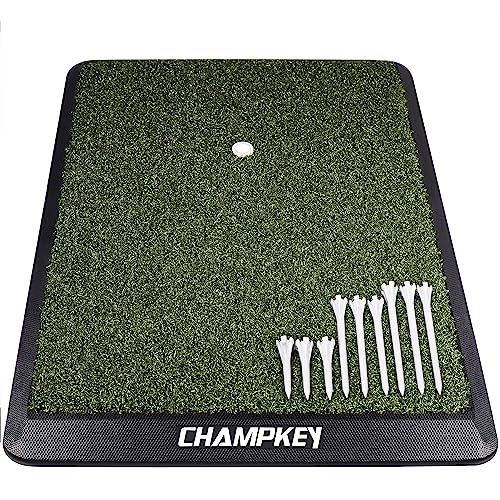 Low-profile mat CHAMPKEY Premium Synthetic Turf Hitting Mat
A low-profile rubber-backed mat with swing-path lines that keeps your ball position low, so it does not steal precious headroom.
Prices update on Amazon and change often. As an Amazon Associate we earn from qualifying purchases at no extra cost to you.
Golf simulator ceiling height chart
Use this as a general guide, then confirm with a real driver swing in your actual space. Pair it with the room size chart for width and depth.
| Ceiling height | What you can swing | Notes |
|---|---|---|
| 8 ft | Irons and wedges, limited | Driver usually clips the ceiling. Workable for short clubs and shorter players. Test carefully. |
| 8.5 ft | Irons reliably, driver risky | Borderline for a full driver. Many golfers manage irons comfortably; tall players still struggle with driver. |
| 9 ft | Full driver for most golfers | The practical minimum for a full swing. Average-height players are usually fine. Test your own swing. |
| 9.5 ft | Full driver with margin | Comfortable for most, including many taller players. A good target if 10 ft is not possible. |
| 10 ft | Comfortable full swing, all clubs | The comfortable standard. Suits nearly all players and swing types with room to spare. |
| 10.5 ft and up | Full swing for tall players, zero worry | Ideal. Even tall golfers with upright, aggressive swings have full clearance. |
Why ceiling height matters most
Width and depth determine whether you fit the room and the gear, but ceiling height determines whether you can take a full swing at all. At the top of the backswing and through a high finish, the clubhead travels well above your head, and a driver reaches higher than any iron. If the ceiling is too low, you either clip it, flinch and alter your swing, or are limited to shorter clubs. That is why a builder with 8.5 feet should plan around irons, while 10 feet opens the whole bag.
Player height changes the math
A 5-foot-6 golfer and a 6-foot-3 golfer making the same swing need different ceilings, because the taller player's hands and clubhead sit higher at the top. As a general rule, the taller you are or the more upright and aggressive your swing, the closer you should aim for the comfortable 10-foot target rather than the 9-foot minimum. Shorter players sometimes manage a driver under 8.5 feet, but that is the exception, not the plan. When two golfers of different heights share the room, build for the taller one.
Always test your own swing
No chart can replace standing in the actual space and taking a few full-speed swings with your driver. Have a helper watch the clubhead at the top of your backswing and through the finish, or set up a phone to record from the side. Swing plane, how upright or flat you are, arm length, and how high you finish all affect how much clearance you need. Measure to the lowest obstruction in the swing zone, including beams, ducts, and light fixtures, not just the average ceiling.
If your ceiling is too low
A low ceiling is not the end of an indoor setup. Many owners practice irons, wedges, and short game, which covers most scoring shots, and use simulator software to play full courses by selecting the driver on screen even when they physically swing a shorter club. Others choke down or make a three-quarter driver swing. You lose the full driver, but you keep genuinely useful practice. For layout tips, hitting mat placement, and how to work around beams and ducts, read our full golf simulator ceiling height guide.
How to use this chart
Measure to the lowest obstruction in your swing area, find your height row, and check what you can swing. If you land at 9 feet or above, most golfers are clear for a full driver, but confirm with a real swing. If you are below 8.5 feet, plan around irons or look for a different space. Then size the rest of the room with the room size chart and check your numbers in the room size calculator before you build.
Golf Sim Build Planner
Room-fit worksheet, gear checklist, budget tracker, and wiring and lighting plan, in one printable planner that takes your build from idea to first swing.
Frequently Asked Questions
What is the minimum ceiling height for a golf simulator?
About 9 feet is the practical minimum for a full driver swing for most golfers, and 10 feet is comfortable. Below 8.5 feet you are usually in irons-only territory, where shorter clubs and a more compact swing work but a full driver does not. These are general guidelines, though. Body height, arm length, and swing plane vary, so the only sure test is to take a real full-speed driver swing in the space and watch the clubhead at the top.
Can I use a golf simulator with an 8-foot ceiling?
Sometimes, but it is tight and depends on the player. An 8-foot ceiling works for many golfers hitting irons and wedges with a controlled swing, and shorter players may even manage a driver. Taller players and anyone with a steep, upright swing will likely clip the ceiling with a driver. If you have 8 feet, plan around irons, test your own swing carefully, and consider that a slightly choked-down or three-quarter driver swing may still be usable.
Does player height change the ceiling I need?
Yes, significantly. A taller golfer has a higher hand position and a wider swing arc, so the clubhead reaches higher at the top of the backswing and through follow-through. A player at 6 foot 2 needs more clearance than someone at 5 foot 6 making the same swing. As a rule, the taller you are, the closer you should aim for the comfortable 10-foot target rather than the 9-foot minimum, and always test your own full swing.
Why do I need to test my own swing?
Charts give averages, but your swing is unique. Swing plane, how upright or flat you are, your height, arm length, and how aggressively you finish all change how high the clubhead travels. Two golfers of the same height can need different ceilings. The only reliable check is to stand in the actual space and take a few full-speed swings with your driver while a helper or a phone video watches the clubhead at the top and through the finish.
What if my ceiling is too low for a driver?
You still have good options. Many simulator owners with low ceilings practice irons, wedges, and short game, which covers a huge share of scoring shots, and use the simulator's software to play courses by selecting clubs even if they physically swing a shorter club. Some choke down or make a three-quarter driver swing. A low ceiling limits the full driver, but it does not stop you from getting real, valuable practice indoors.
Are exposed beams or ductwork a problem?
They can be, because the height that matters is the lowest obstruction in the swing zone, not the average ceiling. A basement that measures 9 feet to the joists may have a duct or beam hanging to 8 feet right over the hitting area. Always measure to the lowest object the club could reach in the swing path, and position your hitting mat to avoid the lowest obstructions. Read our full ceiling height guide for layout tips.
Building a golf sim?
Use our free calculators and guides to size the room, the gear, and the budget.
Build Planner: $39