DIY vs Pre-Built Golf Simulator: Which to Choose?
DIY vs pre-built golf simulator compared: cost, effort, customization, and support. See whether to build from components or buy a packaged bay for your home setup.
Building a DIY golf simulator from individual components is usually cheaper and infinitely customizable, but it asks for your time, research, and willingness to be your own integrator. Buying a pre-built package costs more for comparable hardware, yet it ships with matched parts, one warranty, professional support, and a setup you can finish in a day. Neither is the right answer for everyone. If you love a project and want to control every dollar and detail, go DIY. If you value convenience, speed, and a single phone number when something breaks, buy the package. Here is the honest comparison to help you decide.
Build it or buy it: the gear
One matched all-in-one package, or the key DIY pieces: enclosure, mat, and launch monitor.
-
 Buy It: All-in-One SkyTrak SkyTrak ST MAX Standard Studio Package
Buy-it-all bay with the ST MAX monitor, enclosure, screen, and mat matched in one box, the turnkey alternative to sourcing parts yourself.
-
 Build It: Enclosure GoSports GoSports 10 x 8 ft Golf Simulator Enclosure Net
Steel-framed enclosure with blackout panels and an HD impact screen, the structural core of a DIY bay in a 10 ft wide room.
-
 Build It: Mat The Indoor Golf Shop SIGPRO Softy 4'x7' Golf Mat
Thick foam pad with realistic turf that feels close to a fairway and stays easy on your wrists over long DIY sessions.
-
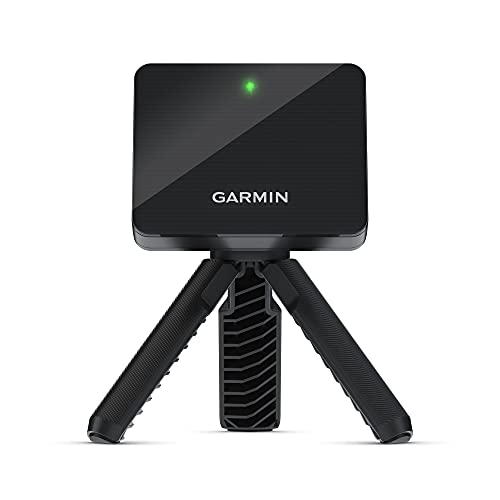 Build It: Monitor Garmin Approach R10 Portable Golf Launch Monitor
Affordable radar with genuinely useful ball and club data, the smart launch monitor to anchor a value-focused DIY build.
Prices update on Amazon and change often. As an Amazon Associate we earn from qualifying purchases at no extra cost to you.
The verdict up front
The choice comes down to how you value your time against your money, and how much you enjoy the build itself. DIY rewards the hands-on golfer: you pick each component to your exact standards, mix budget and premium parts, and typically pay less for the same gear. A pre-built bay rewards the golfer who wants to play, not assemble: matched components, tested compatibility, unified support, and a fast path to your first round. Both can deliver an excellent simulator. The difference is the journey to get there and who is responsible when a piece does not cooperate.
Quick comparison
| Factor | DIY (components) | Pre-built (package) |
|---|---|---|
| Cost for similar gear | Lower, no integration markup | Higher, you pay for convenience |
| Setup effort | High, you research and assemble | Low, matched and documented |
| Time to first round | A weekend or more | Often within a day |
| Customization | Total, every part your choice | Limited to the package options |
| Support | Fragmented, per component | Unified, one company and warranty |
| Compatibility risk | On you to get right | Handled by the maker |
| Best for | Tinkerers, value seekers | Convenience seekers, first-timers |
Treat the cost and effort columns as general patterns; the exact gap depends on the specific components and package you compare.
Cost: where DIY usually wins
Dollar for dollar, DIY almost always costs less for the same level of components, because you are not paying a company to source, match, and bundle everything for you. You can also stage your spending, buying the launch monitor first, adding a screen and enclosure next, and a projector later, which spreads the cost out. And you can mix tiers freely: a premium launch monitor with a budget projector, or vice versa, tuned to where you want your money to go. A pre-built package folds in that integration work and support, so you pay a premium, but it removes the risk of buying a part that does not fit your plan. Price your specific build with our golf sim cost calculator before deciding which path saves you more.
Effort and time: where pre-built wins
This is the flip side. A DIY build asks for real effort: hours of research to choose compatible parts, then a weekend or more to assemble the enclosure, hang and tension the screen, mount and calibrate the projector to the right throw, and configure the launch monitor and software so everything talks. None of it is rocket science, but it adds up, and a mistake like a wrong projector throw ratio means reordering and redoing. A pre-built package arrives matched and documented, often with a single recommended layout, so many owners are playing the same day it lands. If your time is scarce or you simply want to golf rather than build, that convenience is the whole point. Our how to build a golf simulator guide walks through the full DIY process so you know exactly what you are signing up for.
Customization: the DIY advantage
If you want a specific screen size, a particular launch monitor, a short-throw projector for a tight room, or an enclosure built to your exact wall, DIY gives you total freedom. You design around your space and your priorities instead of accepting a vendor's fixed configuration. Pre-built packages do offer tiers and some options, but you are choosing from a menu rather than designing from scratch. For an unusual room, a strict budget split, or a very particular feature set, DIY is the only way to get exactly what you picture. Browse our best golf simulator enclosures roundup to see how flexible the component approach can be.
Support and reliability: the pre-built advantage
When something goes wrong, the difference is stark. With a pre-built package you call one company, point to one warranty, and let them sort it out, because they sold you the whole system and know how the parts interact. With DIY, support is fragmented: the projector maker, the screen maker, the launch monitor maker, and the software company each own their piece, and figuring out which one is at fault is your job. If you are comfortable being your own integrator and troubleshooter, that is a fair trade for the savings. If the thought of diagnosing a calibration or compatibility issue alone fills you with dread, the consolidated support of a package is worth paying for.
Who should pick which
Choose DIY if you
- Want the lowest cost for a given level of components.
- Enjoy research, assembly, and dialing in your own setup.
- Have an unusual room or specific gear preferences to satisfy.
- Are comfortable being your own integrator and troubleshooter.
Choose a pre-built package if you
- Value convenience and want to be playing quickly.
- Prefer one company, one warranty, and unified support.
- Are a first-time buyer who wants matched, tested components.
- Would rather golf than spend a weekend calibrating gear.
Honest tradeoffs
DIY saves money and gives you total control, but it costs you time, demands research to avoid compatibility mistakes, and makes you responsible for support and calibration. A pre-built package costs more and limits customization, but it removes the guesswork, ships fast, and gives you a single point of accountability. There is no universally right answer, only the one that fits your budget, your free time, and how much you enjoy the build. If you lean toward a package, compare our best golf simulator packages; either way, size your room and budget first so the gear matches your space rather than the other way around.
Golf Sim Build Planner
Room-fit worksheet, gear checklist, budget tracker, and wiring and lighting plan, in one printable planner that takes your build from idea to first swing.
We also have full reviews of each: SkyTrak ST MAX Studio Package review and SkyTrak Studio Pro Package review.
Frequently Asked Questions
Is it cheaper to build a DIY golf simulator or buy a pre-built one?
DIY is usually cheaper for the same level of components because you skip the integration markup and can mix budget and premium parts. A pre-built package costs more for comparable hardware, but that premium buys matched components, one warranty, professional support, and far less setup time. If you enjoy research and assembly and want to control every dollar, DIY wins on price. If you value convenience and a single point of support, a package is often worth the extra cost.
How long does it take to build a DIY golf simulator?
Plan for real time. Researching and choosing compatible parts can take days or weeks, and assembling the enclosure, hanging the screen, mounting and calibrating the projector, and configuring the launch monitor and software typically takes a weekend or more. A pre-built package arrives matched and documented, so many owners are playing within a day. If your schedule is tight or you dislike troubleshooting, the package saves meaningful time and frustration.
Will a DIY simulator be as good as a pre-built one?
It can be just as good or better, because you choose every component to your standards and budget. The risk is compatibility and calibration: a mismatched projector throw, an undersized screen, or a launch monitor that does not pair cleanly with your software can cost you time and money. A pre-built package removes that guesswork by shipping components the maker has already matched and tested together. With careful research, DIY matches a package; without it, results vary.
What support do I get with each option?
With a pre-built package you usually get one company to call, unified documentation, and a single warranty covering the bundle, which is a big advantage when something goes wrong. With DIY, support is fragmented: each component has its own manufacturer, warranty, and help line, so you become your own integrator and troubleshooter. If you are comfortable diagnosing issues yourself, that is fine; if not, the consolidated support of a package has real value.
Can I upgrade a pre-built simulator later?
Usually yes, but it depends on the package. Many bundles use standard components you can swap, such as upgrading the launch monitor or projector down the road. Some turnkey systems are more closed and prefer their own ecosystem. DIY is the most upgrade-friendly by nature because every part is independent. If future flexibility matters to you, confirm a package's component openness before buying, or lean toward DIY for maximum freedom to evolve the build.
Which should a first-time buyer choose?
If you are new to simulators, value convenience, and want to be playing quickly with one source of support, a pre-built package is the safer first step. If you enjoy DIY projects, have time to research, and want to maximize value or customize every detail, building from components is rewarding and often cheaper. Either way, size your room and budget first with our calculators so the gear matches your space.
Building a golf sim?
Use our free calculators and guides to size the room, the gear, and the budget.
Build Planner: $39